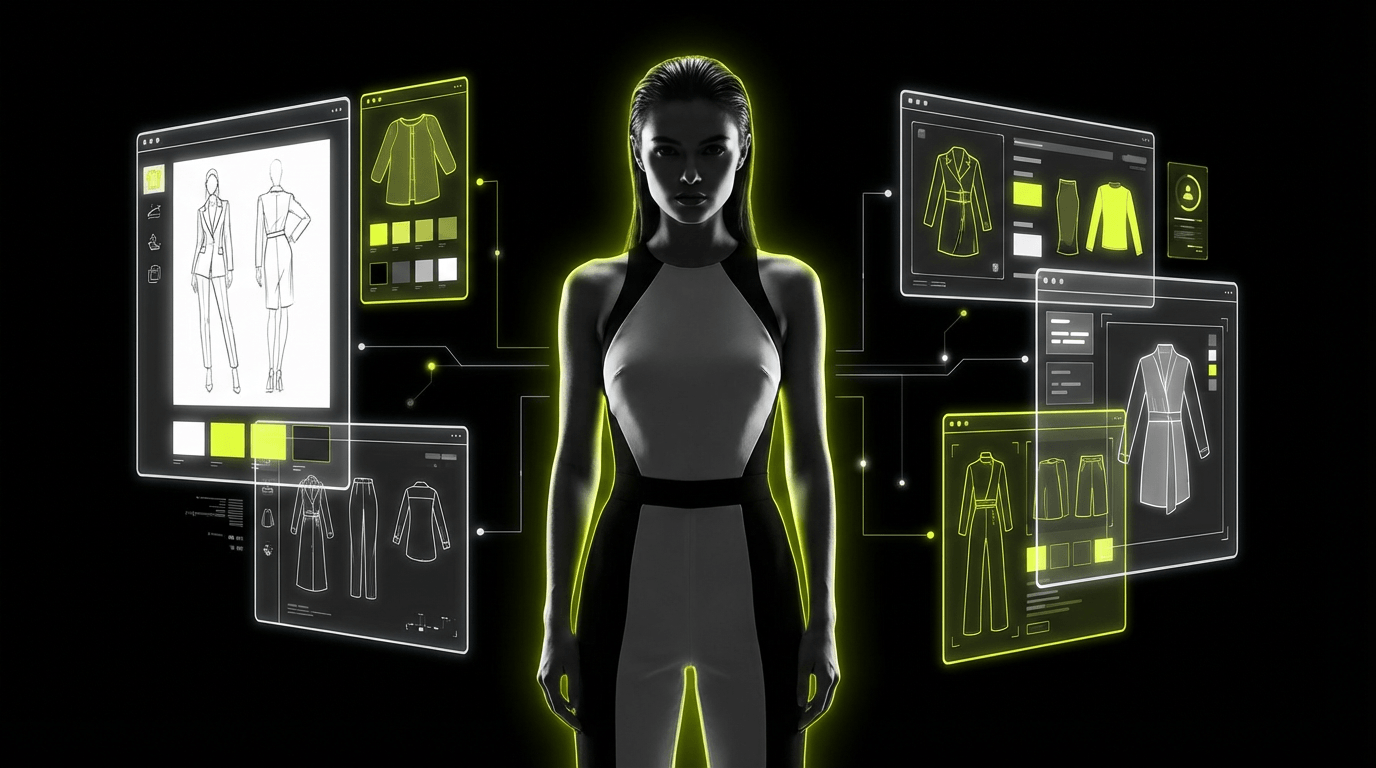
You open a shopping app. You scroll for twenty minutes. You add three things to your cart, second-guess all of them, and close the tab with nothing purchased. Sound familiar? This is the reality of modern fashion shopping — overwhelming choice, zero personalization, and the constant fear of buying something that won't actually work on your body, in your life, with your existing wardrobe.
AI personal shoppers are changing that equation entirely. These intelligent tools don't just surface products — they learn your taste, understand your body, track trends in real time, and help you make confident purchasing decisions without the paralysis. Whether you're hunting for a budget-friendly dupe of a designer piece or trying to figure out what Zendaya's Met Gala look would look like on you specifically, AI personal shoppers are becoming indispensable for anyone who takes style seriously.
This guide breaks down exactly how AI personal shoppers work under the hood, who benefits most from using them, and why platforms like Alvin's Club are redefining what personalized fashion discovery actually looks like.
What Is an AI Personal Shopper?
An AI personal shopper is a software system that uses artificial intelligence to replicate — and in many ways improve upon — the experience of working with a human personal stylist. Traditional personal shoppers require appointments, high fees, and a level of access that most people simply don't have. AI personal shoppers democratize that experience, making it available on your phone, on your schedule, and tailored specifically to you.
At their core, these tools combine several AI disciplines: machine learning (to understand your preferences over time), computer vision (to analyze clothing, colors, and fits), natural language processing (to understand what you're actually asking for), and recommendation algorithms (to surface the right products at the right moment). The result is a shopping experience that feels less like browsing a catalog and more like having a conversation with someone who genuinely knows your style.
It's worth distinguishing AI personal shoppers from basic recommendation engines. When Amazon suggests "you might also like this," that's a simple collaborative filter based on purchase history. A true AI personal shopper goes much further — it considers your body shape, your existing wardrobe, seasonal trends, your budget, and even specific occasions you're shopping for.
How AI Personal Shoppers Actually Work
The technology behind AI personal shoppers is more sophisticated than most users realize, and understanding it helps you get more out of these tools. Here's what's actually happening behind the interface:
Visual Recognition and Analysis
Modern AI personal shoppers use computer vision models trained on millions of fashion images. When you upload a photo — of yourself, of an outfit you love, or of a celebrity look — the system breaks it down into attributes: color palette, garment category, silhouette, fabric texture, style era, and occasion suitability. This visual understanding allows the AI to find genuinely similar items rather than just matching keywords.
Preference Learning Over Time
The more you interact with an AI personal shopper, the smarter it gets. Every item you save, every look you dismiss, every purchase you make feeds back into a personal style profile. This isn't static — the system adapts as your taste evolves, picks up on seasonal shifts in your preferences, and learns which types of recommendations you actually act on versus which ones you ignore.
Virtual Try-On Technology
One of the most significant recent advances is virtual try-on (VTO), which uses augmented reality and generative AI to show you how a specific garment would look on your actual body. Instead of relying on a size chart and hoping for the best, you upload your photo and see the fit, drape, and color in real time. This technology has been shown to reduce return rates by 25 to 48 percent — a meaningful number for both shoppers and retailers.
Real-Time Trend Aggregation
The best AI personal shoppers don't just work from static product catalogs. They actively monitor what's trending across social media, street style photography, and runway coverage, then factor those insights into their recommendations. This keeps suggestions feeling current rather than generic.
Key Features That Make AI Shopping Agents Genuinely Useful
Not all AI personal shoppers are created equal. The features that separate genuinely useful tools from glorified search bars include:
- Personalized outfit suggestions that account for your existing wardrobe, not just new purchases
- Virtual try-on with real body photos rather than generic model overlays
- Budget-aware recommendations that can find affordable alternatives to aspirational pieces Occasion and season filtering so suggestions are actually relevant to your life right now
- Trend awareness that surfaces emerging styles before they become oversaturated
- Cross-retailer search that isn't limited to a single brand's inventory
When these features work together cohesively, the experience shifts from "I need to find something to wear" to "I'm excited to get dressed." That's the real promise of AI personal shopping done right.
Who Are AI Personal Shoppers Really For?
The short answer is: almost everyone who shops for clothing online. But certain groups benefit disproportionately.
The Style-Curious but Time-Starved
You care about how you look, you follow fashion content, you have opinions about aesthetics — but you simply don't have hours to spend researching and curating looks. AI personal shoppers compress the discovery process dramatically. Instead of scrolling through thousands of products, you get a curated shortlist that actually matches your taste and lifestyle.
The Budget-Conscious Aspirational Shopper
You love the look of Celine and Valentino but live on a Zara budget. AI tools that specialize in finding affordable dupes and smart alternatives to luxury items are genuinely transformative for this group. Image recognition can now identify the specific design elements of a high-end piece and surface budget-friendly versions that capture the same aesthetic — without the four-figure price tag.
People Who Struggle with Fit and Returns
Online shopping's biggest friction point has always been uncertainty about fit. If you've ever ordered something that looked perfect on the model but arrived looking completely different on you, virtual try-on technology is a revelation. Being able to see how a garment's cut, color, and proportions work against your specific body before purchasing eliminates much of that risk.
Trend-Followers and Style Enthusiasts
If you're someone who wants to know what's happening in global street style before it hits mainstream feeds, AI personal shoppers with real-time trend feed and street style aggregation keep you genuinely ahead of the curve. Rather than passively consuming content, you can immediately translate trend awareness into actual outfit decisions.
Anyone Suffering from Wardrobe Paralysis
Having a full closet and feeling like you have nothing to wear is a nearly universal experience. AI personal shoppers that understand your existing wardrobe can generate personalized outfit inspiration and wardrobe recommendations using what you already own — reducing both the urge to over-purchase and the daily decision fatigue of getting dressed.
The Real Benefits: Beyond Just Convenience
Convenience is the obvious selling point, but the deeper benefits of AI personal shoppers go further than saving time on searches.
Confidence in purchasing decisions is perhaps the most underrated benefit. When you can see how something looks on your body before buying it, when the recommendation is genuinely tailored to your taste rather than generic, you buy with more conviction and experience less buyer's remorse.
Financial smarts emerge naturally when AI tools help you find better alternatives to aspirational pieces. Instead of impulse-buying something expensive and mediocre, you can identify what you actually love about a luxury item and find a version that delivers that same feeling at a fraction of the cost.
Sustainability benefits are a natural byproduct of better decisions. Fewer returns, more intentional purchases, and a clearer sense of what actually works for your wardrobe means less waste overall — both financially and environmentally.
Style evolution happens faster when you have intelligent guidance. AI personal shoppers expose you to styles you might not have discovered on your own, helping you push beyond your comfort zone in ways that still feel authentically you rather than arbitrarily experimental.
Honest Limitations to Know Before You Dive In
AI personal shoppers are impressive, but they're not magic. There are real limitations worth understanding so you can use these tools effectively.
Virtual try-on technology, while dramatically improved, still works best with well-lit, clear photos taken against neutral backgrounds. The accuracy of how fabric drapes and how texture reads can vary depending on the garment type and the quality of the product imagery in the retailer's catalog.
Preference learning takes time. In the early stages of using any AI personal shopper, recommendations may feel generic until the system has enough interaction data to build a meaningful picture of your style. The more actively you engage — saving items, dismissing suggestions, completing your profile — the faster the personalization improves.
No AI can fully replicate the emotional and tactile experience of shopping in person. Fabric hand-feel, the way a garment moves, the fit nuances that come from trying something on a three-dimensional body — these remain advantages of physical retail. AI personal shoppers are best understood as powerful complements to your shopping instincts, not complete replacements for them.
How Alvin's Club Takes AI Personal Shopping Further
Alvin's Club was built around a specific and genuinely exciting premise: what if you could try on exactly what your favorite celebrities are wearing, see how it looks on your body, and then find an affordable version you can actually buy? That's not a feature — it's a complete reimagining of how fashion discovery works.
The platform's celebrity try-on feature lets you upload your own photo and virtually wear complete looks from style icons like Zendaya, Dua Lipa, and Timothée Chalamet. You're not looking at a generic model in those clothes — you're seeing the actual colors, cuts, and proportions on your own body. It's the kind of "I wonder if that would actually work on me" question finally answered.
From there, Alvin's Club layers in intelligent dupe-finding powered by image recognition. After trying on a celebrity look virtually, the platform automatically surfaces smart alternatives and affordable dupes — finding budget-friendly pieces that capture the essence of high-end labels like Celine, Dior, and Valentino. This is the "luxury aesthetic, everyday budget" problem solved in a genuinely elegant way.
The platform also addresses wardrobe paralysis through daily personalized outfit suggestions that factor in seasons, holidays, and the items already sitting in your virtual closet. And for those who want to stay current, the real-time trend feed aggregates global street style so you're always seeing what's emerging, not just what's already peaked. Dedicated Brand Look sections for fast-fashion retailers like Zara make it easy to explore and virtually try on curated looks without the usual browsing overwhelm.
The result is a platform that doesn't just help you shop smarter — it helps you develop a genuine relationship with your own style, one confident outfit decision at a time.
Final Thoughts
AI personal shoppers represent a genuine shift in how we relate to fashion — not just how we buy clothes, but how we discover style, build confidence, and make decisions that actually reflect who we are. The technology has moved well past novelty. Virtual try-on, intelligent preference learning, real-time trend awareness, and smart dupe-finding are now real, usable tools that solve real problems.
Whether you're someone who spends too much time scrolling without converting, someone who dreads the return process, or someone who loves fashion but feels priced out of the looks they admire most, AI personal shoppers are designed specifically for you. The question isn't really whether these tools are worth trying — it's which one is built in a way that actually matches how you think about style.
If the answer involves celebrity-inspired looks, body-specific virtual try-on, smart dupes for designer pieces, and outfit inspiration that actually understands your wardrobe, Alvin's Club is worth a very close look.
Ready to Meet Your AI Personal Shopper?
Try on celebrity looks using your own photo, discover smart dupes for designer pieces, and get personalized outfit inspiration built around your style and your budget. High-fashion thinking, finally accessible to everyone.
Explore Alvin's Club