Table Of Contents
The way we shop for fashion has transformed dramatically in recent years, and artificial intelligence sits at the heart of this revolution. Gone are the days of endless scrolling through irrelevant product pages or struggling to find pieces that match your personal aesthetic. Today's AI shopping technology acts like a knowledgeable style consultant who understands your taste, knows what's trending, and can instantly connect you with pieces that align with your vision.
Whether you're captivated by Zendaya's red carpet elegance, inspired by Timothée Chalamet's experimental approach to menswear, or drawn to the effortlessly cool aesthetic of Dua Lipa, AI-powered fashion tools are making it easier than ever to translate inspiration into actionable shopping decisions. This technology isn't just about convenience; it's fundamentally reshaping the relationship between consumers and fashion, democratizing access to style expertise that was once available only to those with personal stylists or deep industry connections.
In this article, we'll explore how AI is changing the fashion shopping landscape, from personalized recommendations that actually understand your style to visual search capabilities that turn any image into a shopping opportunity. We'll examine the technologies powering this transformation and reveal how platforms are leveraging AI to bridge the gap between runway inspiration and everyday wearability.
The AI Revolution in Fashion Retail
Artificial intelligence has moved from buzzword to business reality in the fashion industry. Major retailers and innovative startups alike are deploying machine learning algorithms to solve one of fashion's oldest challenges: helping people find clothes they'll actually love wearing. The technology analyzes millions of data points, from purchase patterns and browsing behavior to style preferences and even seasonal trends, to create shopping experiences that feel intuitive and personal.
Traditional fashion retail operated on a broadcast model, where brands pushed their collections to consumers and hoped something would resonate. AI shopping flips this dynamic entirely. Instead of adapting your taste to what's available in stores, the shopping experience adapts to you. Algorithms learn from your interactions, refining their understanding of your preferences with each click, save, and purchase.
This shift has profound implications for how fashion reaches consumers. Emerging designers gain visibility among audiences who would genuinely appreciate their aesthetic, while shoppers discover brands they never knew existed. The playing field becomes more level, with algorithmic recommendations based on style compatibility rather than marketing budgets. For consumers, this means access to a broader, more diverse fashion landscape that extends far beyond the limitations of physical retail or the few dozen brands that dominate traditional advertising.
Personalized Shopping Experiences at Scale
The true power of AI shopping lies in its ability to deliver personalization at a scale that would be impossible for human stylists. Consider the complexity involved in truly understanding someone's style: their color preferences, silhouette choices, occasion needs, budget considerations, brand affinities, and the subtle aesthetic elements that make certain pieces feel "right" while others don't resonate at all.
AI systems excel at processing this complexity. They identify patterns in your behavior that you might not consciously recognize yourself. Perhaps you consistently gravitate toward pieces with architectural structure, or you show a preference for particular fabric textures. Maybe your saved items reveal an interest in sustainable fashion, or your browsing history indicates a fascination with vintage-inspired silhouettes. These insights allow AI shopping platforms to curate selections that feel personally relevant rather than generically trendy.
Understanding Your Style DNA
Advanced AI shopping platforms build what might be called a "style DNA" profile for each user. This digital representation captures the essence of your aesthetic preferences across multiple dimensions. Unlike simple category-based recommendations ("because you bought jeans, here are more jeans"), style DNA considers the interplay between different fashion elements to suggest pieces that complement your existing wardrobe and align with your overall aesthetic direction.
This approach moves beyond transactional shopping toward something closer to curation. The AI doesn't just help you find a dress; it helps you discover dresses that work with the blazer you bought last month, complement the color palette you gravitate toward, and match the level of formality you prefer for evening events. The result is a more cohesive personal style and fewer purchasing mistakes.
Visual Search and Style Discovery
One of the most transformative applications of AI in fashion shopping is visual search technology. We've all experienced that moment of seeing someone wearing something incredible, whether on the street, in a social media post, or on screen, and wondering where to find something similar. Visual search turns that moment of inspiration into immediate shopping opportunity.
The technology works by analyzing the visual characteristics of an image, identifying key style elements like silhouette, color, pattern, and garment type, then searching across thousands of retailers to find similar items. This capability fundamentally changes the shopping journey, allowing inspiration to come from anywhere rather than being confined to traditional retail channels.
For fashion enthusiasts who draw inspiration from celebrity style, this technology is particularly powerful. Spot a look you love on Margot Robbie at a film premiere? Visual search can identify similar pieces across price points, from high-end designer options to accessible alternatives. This democratization of style access means that runway and red carpet looks are no longer aspirational fantasies but genuine style roadmaps that anyone can follow within their budget.
From Inspiration to Cart in Seconds
The speed and efficiency of AI-powered visual search compress the traditional shopping journey dramatically. What might once have required hours of searching, comparing, and cross-referencing now happens in moments. This efficiency doesn't just save time; it captures the emotional momentum of style inspiration. When you're excited about a look, immediate access to similar pieces maintains that enthusiasm through to purchase, rather than letting it dissipate during a frustrating search process.
Platforms like Fashion AI leverage this technology to create seamless experiences where inspiration flows directly into curated shopping options. The AI understands context, recognizing that "similar" doesn't mean identical but rather captures the essence of the style while accounting for personal preferences and practical considerations.
AI-Powered Virtual Styling Agents
Perhaps the most sophisticated application of AI in fashion shopping comes in the form of virtual styling agents. These systems combine multiple AI capabilities, including natural language processing, image recognition, trend analysis, and recommendation algorithms, to provide comprehensive style guidance that rivals human stylists in many respects.
Virtual styling agents can understand nuanced requests expressed in everyday language. You might ask for "something bold but professional for a presentation" or "a weekend outfit with Dua Lipa vibes," and the AI translates these subjective, context-rich requests into specific style parameters and product recommendations. This natural interaction makes advanced fashion technology accessible to everyone, regardless of their fashion vocabulary or styling expertise.
What makes AI styling agents particularly valuable is their combination of breadth and specificity. They maintain awareness of current trends across the entire fashion landscape, from haute couture to streetwear, while simultaneously understanding your individual preferences and constraints. A human stylist might excel in specific categories or aesthetics; AI styling agents excel across all of them simultaneously.
Learning and Adapting Over Time
Unlike static styling advice, AI-powered agents continuously learn and adapt. Each interaction refines their understanding of your preferences. They notice when your style evolves, picking up on new influences or changing priorities. If you start exploring more sustainable brands or showing interest in different silhouettes, the AI adjusts its recommendations accordingly, supporting your style journey rather than locking you into past preferences.
This adaptive quality creates a shopping experience that grows more valuable over time. The longer you interact with an AI styling agent, the better it becomes at anticipating your needs, suggesting pieces that genuinely excite you, and helping you take calculated style risks that expand your fashion horizons without straying too far from your comfort zone.
Making Celebrity Style Accessible Through AI
Celebrity fashion has always influenced consumer style choices, but the connection between red carpet inspiration and everyday shopping has traditionally been tenuous at best. Luxury designer pieces worn by celebrities come with luxury designer price tags, creating a significant gap between inspiration and accessibility. AI shopping technology bridges this gap in remarkably effective ways.
By analyzing the style elements that define a celebrity's look, rather than simply identifying the specific designer pieces they wear, AI can suggest alternatives across various price points that capture the essence of that aesthetic. When Zendaya wears a stunning Valentino gown, AI doesn't just tell you that it's Valentino; it identifies the design elements, color palette, silhouette, and styling approach that make the look work, then finds pieces that incorporate those elements at accessible price points.
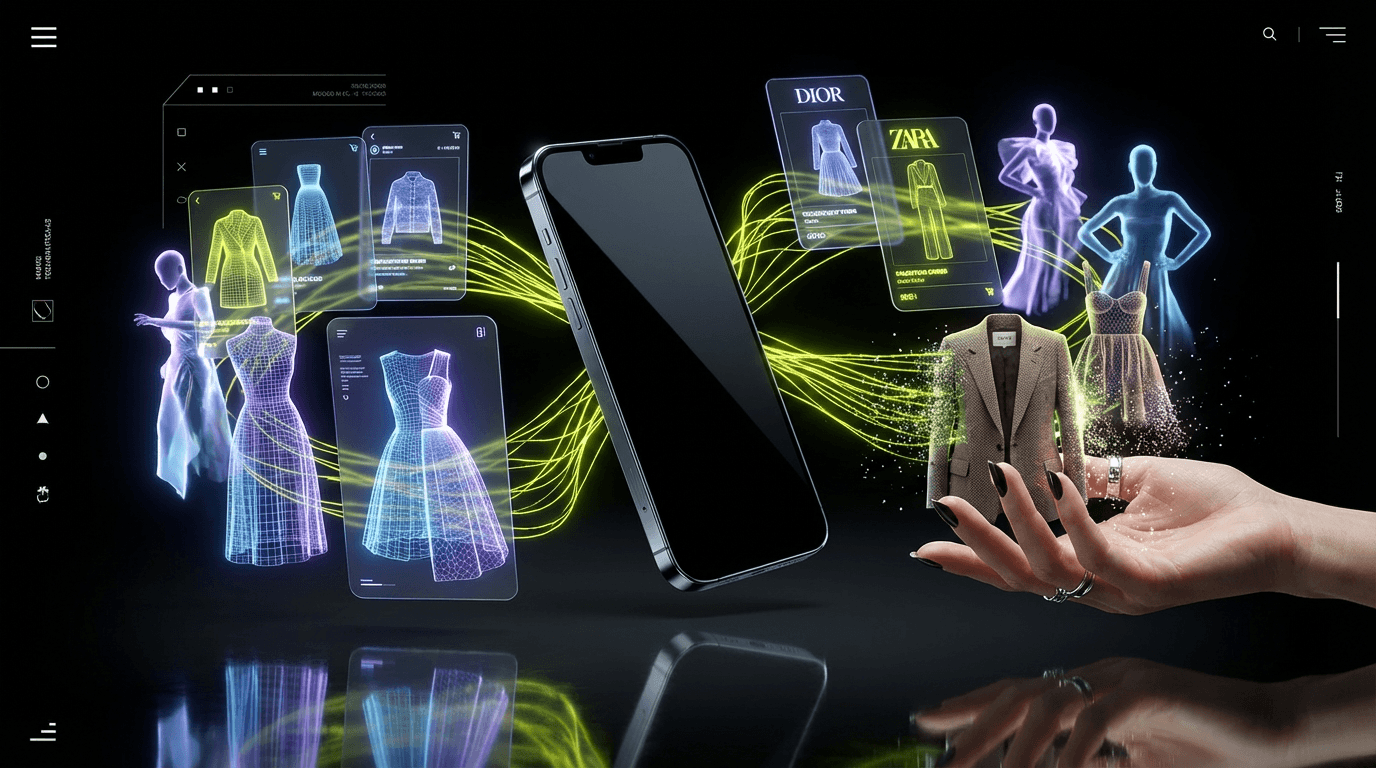
This approach transforms celebrity style from aspiration into actionable inspiration. Alvin's Club exemplifies this philosophy — users can upload their photo to virtually try on celebrity outfits and discover smart dupes across brands from luxury houses like Celine, Dior, and Valentino to accessible labels like Zara. The focus shifts from "what they're wearing" to "how to capture that aesthetic in your own wardrobe."
Beyond Direct Replication
The most sophisticated AI shopping platforms understand that effective style inspiration isn't about creating exact replicas of celebrity looks. Instead, it's about understanding the style principles and adapting them to different contexts, body types, and personal preferences. An AI might recognize that a particular Timothée Chalamet look works because of its unexpected color combinations and relaxed tailoring, then help you find pieces that bring those qualities into your existing wardrobe rather than suggesting you buy everything he's wearing.
This nuanced approach respects both the inspiration source and the individual shopper, creating style connections that feel authentic rather than derivative. It's the difference between costume and style, between imitation and inspiration, and AI's analytical capabilities make these distinctions at scale.
Smart Recommendations That Actually Work
We've all experienced recommendation systems that miss the mark, suggesting products that seem to have no connection to our actual interests. Early recommendation algorithms operated on relatively simple principles: collaborative filtering (people who bought X also bought Y) or content-based filtering (because you liked X, here's something similar). While these approaches had some success, they often produced recommendations that felt mechanical and impersonal.
Modern AI shopping leverages far more sophisticated recommendation engines that consider multiple factors simultaneously. These systems analyze purchase history, browsing behavior, saved items, and engagement patterns, but they also incorporate contextual information like seasonal trends, occasion needs, and style evolution. They understand that your winter coat purchase doesn't mean you want to see more winter coats; instead, it might indicate that you're building a cold-weather wardrobe and would appreciate complementary pieces like boots, scarves, or layering pieces.
Context-Aware Intelligence
The best AI recommendation systems understand context in remarkably nuanced ways. They recognize the difference between browsing for inspiration and shopping with purchase intent. They understand that looking at luxury designer pieces doesn't necessarily mean you want to buy them; you might be identifying aesthetic preferences that can be satisfied across various price points. They notice when you're exploring new style territories versus shopping within your established preferences, adjusting their recommendations to support whichever mode you're in.
This context awareness creates a shopping experience that feels genuinely helpful rather than pushy or off-target. Recommendations arrive at moments when they're actually useful, suggesting pieces that solve real wardrobe challenges or complement recent purchases in thoughtful ways. The technology fades into the background while the benefits, better choices and more satisfying purchases, move to the foreground.
The Future of AI Shopping in Fashion
As impressive as current AI shopping capabilities are, we're still in the early stages of this technological transformation. The next generation of AI fashion tools will integrate even more sophisticated capabilities, creating shopping experiences that are increasingly seamless, personalized, and valuable.
Emerging technologies include augmented reality integration that allows you to virtually try on pieces before purchasing, advanced body scanning for perfect fit recommendations, and AI systems that can design custom pieces based on your preferences. We're moving toward a future where the line between online and offline shopping blurs, with AI assistants that work across all channels to provide consistent, personalized guidance wherever you shop.
Sustainability represents another frontier for AI in fashion. By helping consumers make better purchasing decisions, finding pieces they'll genuinely wear rather than impulse buys that end up unworn, AI contributes to more sustainable consumption patterns. Future systems might integrate detailed sustainability metrics, helping environmentally conscious shoppers identify brands and pieces that align with their values without sacrificing style.
Human Touch Meets Technological Power
Despite these technological advances, the future of AI shopping isn't about replacing human creativity, judgment, and style expertise. Instead, it's about augmenting these human qualities with computational power that can process vast amounts of information, identify patterns, and make connections that might otherwise be missed. The most successful AI shopping experiences will be those that feel human precisely because they're powered by technology that handles the analytical heavy lifting, freeing users to focus on the creative, emotional, and personal aspects of style.
This synthesis of human and artificial intelligence promises a fashion retail landscape that's more accessible, more personal, and more aligned with how people actually want to shop. The democratization of style expertise means that everyone can benefit from the kind of personalized guidance once available only to celebrities and fashion insiders. Better inspiration leads to better choices, and better choices lead to more confident, satisfying personal style.
AI is fundamentally transforming fashion shopping, making it more personal, more efficient, and more accessible than ever before. From visual search capabilities that turn any image into shopping inspiration to sophisticated styling agents that understand your aesthetic better than you might yourself, these technologies are reshaping the relationship between consumers and fashion.
The democratization of style expertise represents perhaps the most significant impact of this AI revolution. Celebrity looks that once felt impossibly distant are now actionable inspiration. Luxury aesthetics can be translated across price points. Personal style development, once requiring either extensive fashion knowledge or expensive styling services, is now accessible to anyone with a smartphone.
As these technologies continue to evolve, they promise shopping experiences that are increasingly seamless and satisfying. The future of fashion retail isn't about technology for technology's sake; it's about using AI to solve real problems, meet genuine needs, and help people feel confident in their personal style. Whether you're inspired by Zendaya's elegance, Timothée Chalamet's experimentation, or your own unique vision, AI shopping tools are making it easier than ever to turn inspiration into reality.
Ready to Transform Your Shopping Experience?
Discover how Alvin's Club — your AI-powered fashion shopping agent — helps you virtually try on celebrity outfits, find smart dupes for designer looks, and get personalized daily outfit inspiration. Better inspiration leads to better choices.