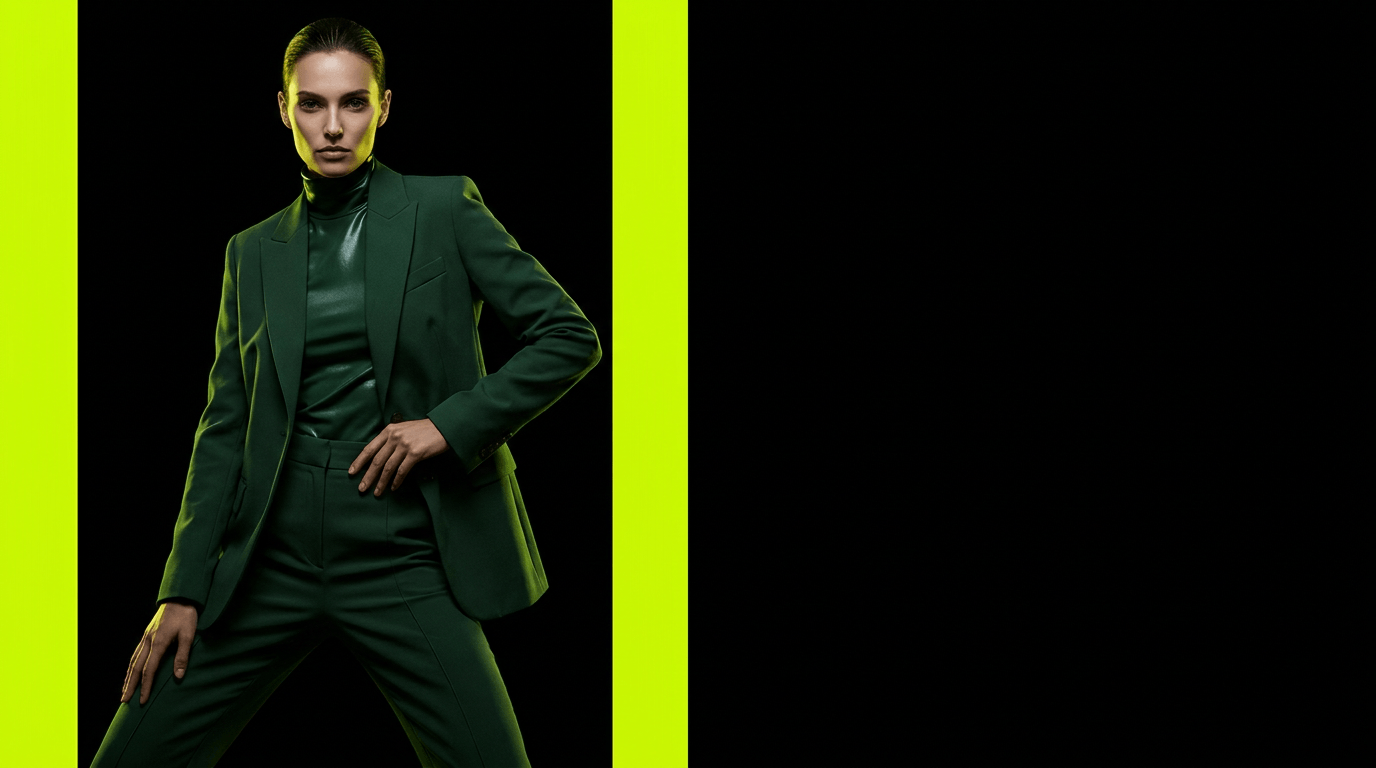
There is something undeniably magnetic about a head-to-toe monochromatic outfit. A single sweep of color from collar to shoe creates an elongating, editorial effect that looks effortless — even when it takes a little planning to pull off. Whether you have spotted Zendaya in an all-camel column look or scrolled past a viral all-white street style moment, you have witnessed the quiet power of dressing in one hue. The good news? You do not need a stylist on speed dial or a luxury budget to make it work. This guide breaks down exactly how to style monochromatic outfits, from choosing your hero color to layering textures like a pro — so you can step out looking intentional, polished, and completely yourself.
What Is a Monochromatic Outfit?
A monochromatic outfit is built around a single color family, worn from head to toe. This does not mean every piece has to be an exact color match — in fact, the most sophisticated versions of this look intentionally use varying shades, tints, and tones within the same hue. Think ivory paired with cream paired with warm white, or slate blue layered over powder blue with a navy accessory. The common thread (literally) is that all the pieces feel like they belong to the same color story. It is a styling technique rooted in color theory, but it has never felt more wearable or widely embraced than it does right now.
Why the One-Color Rule Actually Works
The reason monochromatic dressing looks so striking comes down to visual cohesion. When the eye does not have to jump between competing colors, it reads the outfit as one unified, elongated shape. This creates a naturally slimming, tall, and put-together effect regardless of your body type or height. The look also communicates intentionality — wearing one color head to toe signals that you made a deliberate choice, which reads as confidence. Beyond aesthetics, it is one of the easiest styling formulas to follow because the coordination question is already answered. You are not wondering if your top and bottom clash; the palette does all the heavy lifting.
How to Choose the Right Color for Your Monochromatic Look
Choosing your anchor color is the most important decision in building a monochromatic outfit, and it should start with your skin tone. Warm undertones (golden, peachy, or olive skin) tend to glow in earthy palettes like camel, rust, chocolate, warm white, and olive green. Cool undertones (pink, blue, or rosy skin) often shine brightest in crisp whites, icy blues, lavender, charcoal, and deep burgundy. Neutral undertones have the flexibility to experiment across the full spectrum. Beyond undertones, consider your existing wardrobe. Starting with a color you already own multiples of makes building a monochromatic outfit much more practical — you may already have everything you need.
If you want to take the guesswork entirely out of the equation, Alvin's Club's Outfit Journal and wardrobe inspiration feature generates personalized daily outfit ideas based on what is already in your virtual closet. Instead of staring at your wardrobe wondering which pieces work together, you get curated monochromatic combinations suggested for you — saving time and eliminating decision fatigue.
Play With Texture and Tone to Avoid Looking Flat
The number one fear people have about monochromatic dressing is looking flat or boring, and the fix is simple: texture and tone variation. When every piece is the exact same shade and fabric, the look can fall flat. But when you introduce different materials — a matte linen trouser paired with a satin blouse in the same dusty rose, for example — the contrast in finish creates depth and visual interest without breaking the color harmony. This is the secret that stylists use to make monochromatic looks feel luxurious rather than accidental.
Tone mixing works the same way. Within any color family, there are lighter tints and darker shades. A camel trench coat over a honey-colored knit over tobacco-hued trousers creates a rich, layered look that feels dimensional. You are still firmly within the warm brown family, but the variation in depth makes the outfit feel considered and complex. Here is a quick guide to textures worth pairing:
- Silk or satin paired with matte cotton or linen
- Chunky knit layered over smooth trousers or a slip skirt
- Leather or faux leather mixed with soft jersey or fleece
- Sheer organza or chiffon over opaque, structured pieces
- Velvet alongside brushed wool or cashmere
Each of these pairings keeps the color consistent while giving the eye something interesting to travel across — exactly what makes a look feel styled rather than simply matched.
The Best Colors for Monochromatic Dressing
While any color can technically work for a monochromatic look, some palettes lend themselves more naturally to tonal dressing and have proven staying power in street style and runway collections. Beige and camel remain perennial favorites for their wearability and warmth — this palette photographs beautifully and transitions seamlessly from season to season. All-white looks sharp and editorial, particularly in summer or resort settings, but requires the most attention to fabric weight and transparency. Charcoal and grey offer a sophisticated urban aesthetic that is easy to build because grey exists in so many shades and materials. Cobalt and navy blue are bold yet approachable options that feel fresh and energetic. All-black deserves its own mention — it is technically the most foolproof monochromatic palette because slight variation in black shades rarely reads as a mismatch. For something more adventurous, burgundy, forest green, and rust orange are rich, jewel-toned palettes that create statement looks without requiring loud prints or patterns.
Celebrity Monochromatic Looks Worth Copying
Celebrity style has been one of the biggest drivers of the monochromatic trend's mainstream momentum. Zendaya has mastered the tonal dressing game repeatedly, particularly in the promotional circuit for Challengers where her fashion team leaned heavily into sporty, sleek one-color moments. Dua Lipa frequently wears head-to-toe looks that feel retro and maximalist yet color-disciplined. Timothée Chalamet has become known for unexpected monochromatic red-carpet choices — an all-white tuxedo suit, a head-to-toe blush moment — that challenge traditional menswear codes while looking completely intentional.
The challenge, of course, is translating those looks from a celebrity's frame to your own. That is exactly where Alvin's Club's Celebrity Try-On feature becomes a genuine game-changer. You can upload your own photo and virtually try on complete celebrity outfits in real time — seeing how the colors, cuts, and silhouettes actually look on your body before you spend a single dollar. It removes the uncertainty of wondering whether a look that works on Zendaya will translate to your proportions and coloring, and it makes celebrity-inspired dressing feel genuinely accessible rather than aspirational from a distance.
Common Monochromatic Mistakes (and How to Fix Them)
Even with the best intentions, monochromatic dressing has a few common pitfalls. The most frequent mistake is forcing a perfect color match between pieces that were not designed to go together — a slightly off-white top paired with a true-white skirt, for example, can look like a laundry accident rather than a deliberate tonal choice. The fix is to either match exactly or lean into contrast within the color family so the difference reads as intentional. A second mistake is ignoring proportion. When every piece is the same color, silhouette becomes even more important because there is nothing to distract the eye. Pairing an oversized top with wide-leg trousers in the same hue can overwhelm the frame; mixing proportions (oversized top with slim trousers, or a fitted top with a voluminous skirt) creates a more balanced silhouette. A third common error is forgetting about fit — a monochromatic look amplifies fit issues because nothing breaks up the visual line. Tailoring matters more, not less, when you are dressing in a single color.
How to Accessorize a Monochromatic Outfit
Accessories in a monochromatic look require a considered hand. The safest and most editorial approach is to keep your accessories within the same color family — a tan belt with camel separates, white sneakers with an ivory co-ord, silver jewelry with a grey ensemble. Staying tonal all the way through, including your bag and shoes, creates a fully realized look that feels polished and intentional. However, there is also a strong case for a single contrasting accent. One pop of metallic, a bold shoe in a complementary neutral, or a sculptural bag in a slightly warmer or cooler version of your hero color can add just enough visual punctuation without breaking the monochromatic concept. The key is to treat accessories as an extension of the palette rather than an escape from it.
Shoes deserve particular attention because they anchor the entire look. In a head-to-toe beige outfit, a pair of beige or cream heels or loafers will create a seamless elongating effect. In an all-black look, a shiny patent shoe adds textural interest while keeping the palette intact. If you are building a monochromatic look using the Brand Look feature on Alvin's Club, you can browse curated head-to-toe looks from retailers like Zara and virtually try them on — including accessories — to see exactly how the complete outfit lands before buying anything.
Building a Monochromatic Wardrobe on Any Budget
One of the most persistent myths about monochromatic dressing is that it requires buying a whole new wardrobe or investing in designer pieces to get the look right. The reality is that monochromatic dressing is actually one of the most budget-friendly styling approaches available, because pieces in the same color family naturally work together even when they come from different brands or price points. A Zara linen trouser in dusty pink will pair beautifully with a budget knit from ASOS in blush, and neither the wearer nor the onlooker will be focused on the label — only the look.
That said, if you spot a designer monochromatic look you love, there is a smarter way to shop it than simply paying full price. Alvin's Club's Affordable Dupes feature uses image recognition technology to automatically surface budget-friendly alternatives to high-end pieces. So if you fall in love with a Celine all-beige look or a Valentino head-to-toe red moment during a virtual try-on, the app will show you where to find similar silhouettes and shades at a fraction of the cost. It is the kind of smart shopping tool that makes high-fashion thinking genuinely accessible, without the high-fashion price tag.
To stay ahead of which monochromatic palettes are trending right now — and which specific color stories are dominating street style globally — Alvin's Club's Trend Feed aggregates real-time street style content so you are never building a look around a color that has already peaked. Whether chocolate brown is the moment or mint green is taking over, you will know before you shop.
Final Thoughts
Monochromatic dressing is one of those styling techniques that looks complicated but becomes remarkably intuitive once you understand the core principles. Start with a color that flatters your skin tone, vary your textures and tonal depth to avoid flatness, keep proportions in mind, and let your accessories reinforce the palette rather than break from it. Whether you are building a quietly luxurious all-camel look for the office or making a bold cobalt statement on the weekend, the head-to-toe color approach will always read as deliberate, confident, and effortlessly chic. The trick is not finding the perfect matching pieces — it is understanding how to let one color tell a complete, cohesive story.
See Your Monochromatic Look Before You Buy It
Stop guessing whether that all-camel outfit will work on your body. With Alvin's Club, you can virtually try on complete head-to-toe looks, discover affordable dupes for designer monochromatic outfits, and get personalized daily OOTD inspiration — all in one app.
Download the App and Try It OnOr explore more style inspiration at alvinclub.ai