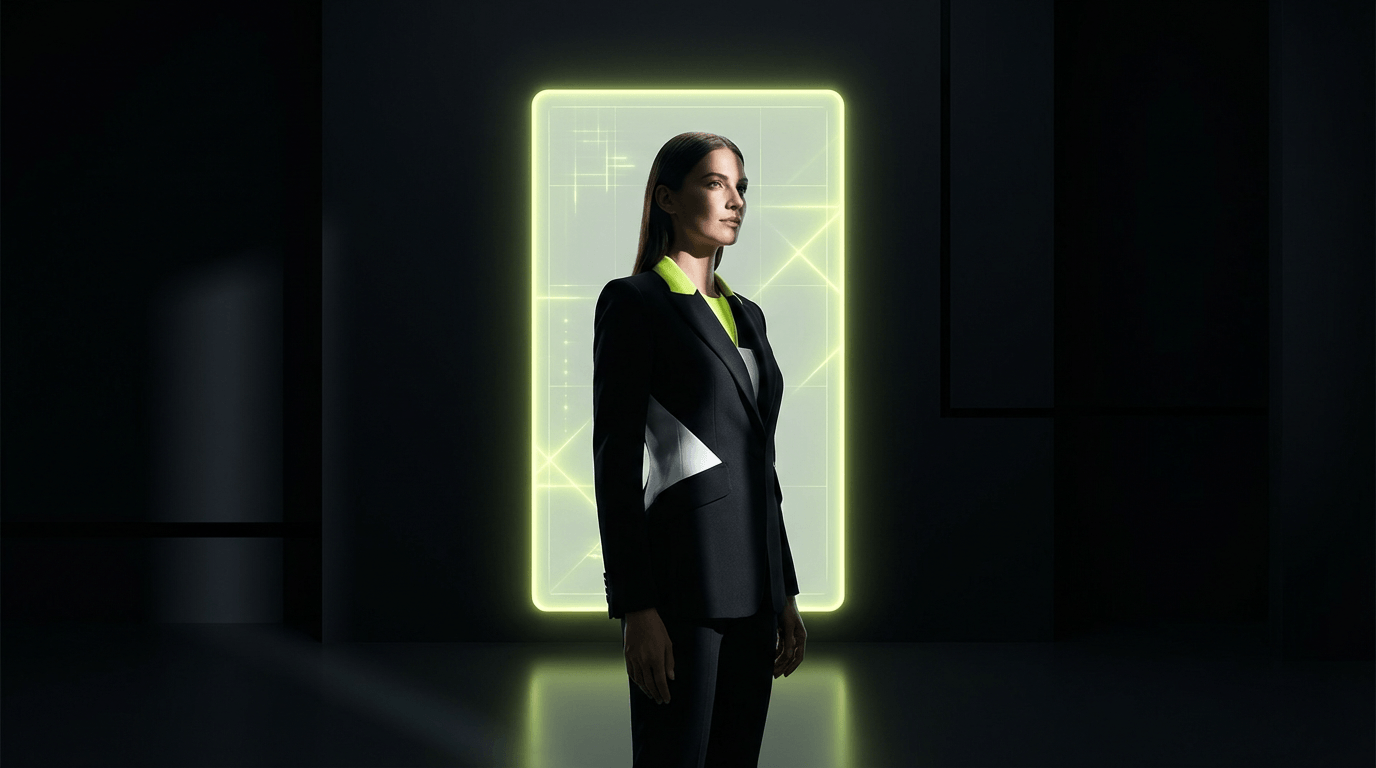
Imagine having a personal stylist who knows your body shape, understands your budget, tracks every global fashion trend in real time, and is available 24 hours a day — without charging hundreds of dollars per session. That's exactly what an AI stylist promises, and in 2024, it's no longer science fiction.
AI personal styling has moved well beyond simple quiz-based outfit generators. Today's most advanced platforms use computer vision, machine learning, and large-scale fashion data to deliver genuinely personalized recommendations — ones that factor in how a garment will look on your specific body, not just a generic size model. Whether you're trying to recreate a celebrity look on a real-person budget, solve the "full closet, nothing to wear" spiral, or stay ahead of emerging trends without doom-scrolling for hours, an AI stylist can help.
In this guide, we'll break down exactly what an AI stylist is, how the technology actually works under the hood, and what features to look for if you want styling advice that feels personal rather than algorithmic. We'll also show how platforms like Alvin's Club are pushing the category forward by making high-fashion thinking accessible to everyone.
What Is an AI Stylist?
An AI stylist is a software-powered fashion assistant that uses artificial intelligence to analyze your preferences, body type, existing wardrobe, and current trends in order to recommend outfits, clothing pieces, and styling combinations tailored specifically to you. Unlike a traditional recommendation engine that simply suggests "you might also like" products based on purchase history, an AI stylist functions more like a knowledgeable friend who understands the visual and aesthetic dimensions of getting dressed.
The term covers a broad spectrum of tools. On the simpler end, you have style quiz apps that match users to aesthetic archetypes. On the more sophisticated end — where platforms like Alvin's Club operate — AI stylists incorporate computer vision for virtual try-on, image recognition for finding affordable alternatives to luxury pieces, and behavioral learning that refines its recommendations the more you interact with it. The goal, in every case, is to reduce the friction, guesswork, and risk that make fashion shopping feel overwhelming for so many people.
How AI Personal Styling Actually Works
At its core, an AI stylist is built on several interconnected technologies that work together to understand both clothing and the person wearing it. Understanding these layers helps explain why modern AI styling feels so much more accurate and useful than earlier attempts at algorithmic fashion advice.
Computer Vision and Image Recognition
Computer vision allows AI systems to "see" and interpret clothing the way a trained stylist would. When you upload a photo of a dress, the AI can identify the silhouette, color palette, neckline style, fabric texture (inferred from visual cues), and pattern type. This is what enables features like visual search — the ability to snap a photo of an outfit you love and find similar or identical items across thousands of retailers instantly. The same technology powers the detection of style attributes that make two garments visually compatible, which is how an AI can suggest what shoes, bag, or jacket would complete a specific look.
Machine Learning and Style Profiling
Machine learning models are trained on enormous datasets of clothing items, outfit combinations, body types, and user preferences. Over time, these models learn which combinations tend to look harmonious, which silhouettes flatter specific body proportions, and which color pairings work together or clash. When a user interacts with an AI styling platform — saving outfits, skipping suggestions, or making purchases — the system updates its understanding of that individual's taste, progressively improving the quality and relevance of its recommendations. This feedback loop is what separates a genuinely intelligent stylist from a static quiz result.
Natural Language Processing
Some AI styling tools also incorporate natural language processing (NLP) so that users can describe what they're looking for conversationally. Typing "something to wear to a rooftop dinner in summer that isn't too formal" can return curated outfit ideas rather than a blank search results page. NLP bridges the gap between how people actually think about getting dressed and how product databases are typically structured, making the discovery process feel intuitive rather than transactional.
Key Features of a Modern AI Stylist
Not every AI styling platform is built the same way, and the feature set matters enormously when it comes to delivering real value. The most capable AI stylists typically combine several of the following capabilities into a seamless experience.
- Virtual try-on technology — See how specific garments or complete outfits look on your body before purchasing.
- Personalized outfit recommendations — Daily or occasion-based suggestions tailored to your taste, body, and existing wardrobe.
- Trend aggregation — Real-time feeds that surface emerging styles from global street fashion and social media.
- Budget-smart alternatives — AI-powered image matching that finds affordable versions of designer or luxury pieces.
- Brand and retailer curation — Filtered discovery across specific brands so you can shop a cohesive aesthetic without getting lost.
- Wardrobe integration — The ability to catalog your existing clothes and factor them into new outfit suggestions.
The best platforms don't just offer one of these features in isolation — they weave them together so that discovering a trend, trying it on virtually, finding an affordable version, and adding it to your wardrobe plan all happen within a single, fluid experience.
Virtual Try-On: Seeing It on Your Body Before You Buy
Virtual try-on is arguably the most transformative feature an AI stylist can offer, because it solves one of the oldest and most persistent problems in fashion: buying something that looks incredible on a model or a celebrity and deeply disappointing on yourself. The technology uses your uploaded photo as a reference and digitally renders clothing onto your likeness, adjusting for your body proportions, skin tone, and pose so the result looks realistic rather than like a cheap paper-doll overlay.
Alvin's Club takes this a step further with its Celebrity Try-On feature, which lets users virtually try on complete outfits worn by style icons like Zendaya, Dua Lipa, and Timothée Chalamet. Instead of just admiring a look from afar, you can instantly see how those exact colors, cuts, and silhouettes translate to your own body — and then decide whether to buy the actual piece or explore a budget-friendly alternative. The practical impact is significant: virtual try-on technology has been shown to reduce return rates by 25 to 48 percent, which saves money, time, and the environmental cost of shipping items back and forth.
Personalized Outfit Inspiration and Wardrobe Intelligence
One of the most common frustrations in fashion is standing in front of a full closet and feeling like there's nothing to wear. This phenomenon, sometimes called wardrobe paralysis, isn't really about a lack of clothing — it's about a lack of clarity around how to combine what you already own into something fresh and intentional. An AI stylist addresses this directly by functioning as a wardrobe intelligence layer on top of everything you already have.
Platforms like Alvin's Club offer a dedicated Outfit Journal and wardrobe inspiration feature that generates personalized OOTD (outfit of the day) recommendations based on the season, upcoming holidays, and the contents of your virtual closet. Rather than serving up generic style boards, the AI considers what you actually own and what would genuinely complement it — suggesting specific pieces to add to your rotation rather than prompting you to start over entirely. This kind of contextualized recommendation is what makes AI styling feel meaningfully different from browsing a mood board on Pinterest.
Real-Time Trend Feeds and Street Style Discovery
Fashion moves fast, and keeping up with what's genuinely trending versus what's already peaked requires more bandwidth than most people have. Human stylists who work with celebrity clients spend significant time monitoring runway shows, street style coverage, and cultural moments to stay current. AI stylists can replicate this function at scale by continuously aggregating and analyzing visual fashion data from across the internet.
Alvin's Club features a real-time Trend Feed powered by global street style that surfaces emerging micro-trends before they become oversaturated — giving users the ability to stay genuinely ahead of the curve rather than arriving late to a moment. The feed isn't just a passive scroll; it's curated with the AI's understanding of your personal aesthetic, so the trends surfaced are the ones most likely to resonate with your existing style rather than every viral moment happening simultaneously across fashion capitals worldwide.
Finding Affordable Dupes with AI Image Recognition
One of the most democratizing things an AI stylist can do is close the gap between high-fashion inspiration and everyday budgets. The desire to dress with intention and style is universal, but the price tags attached to Celine bags, Dior shoes, and Valentino dresses are not accessible to most people. AI image recognition changes this equation by enabling platforms to analyze the visual attributes of a luxury item and surface alternatives that replicate the aesthetic at a fraction of the cost.
This is a core capability of Alvin's Club, which automatically identifies smart dupes and affordable alternatives to high-end pieces using visual similarity matching. After you virtually try on a designer look, the platform proactively suggests where to find a version that fits your budget — without sacrificing the visual impact of the original. It also features dedicated Brand Look sections that let you browse and try on curated collections from fast-fashion giants like Zara, making it easy to shop a coherent aesthetic across an entire retailer rather than piecing together a look item by item.
AI Stylist vs. Human Stylist: What's the Difference?
Human stylists bring something genuinely irreplaceable to the table: intuition built from years of experience, cultural sensitivity, and the ability to read a client's personality and emotional state in a room. A great human stylist is a collaborator, a confidence coach, and sometimes a therapist all at once. For high-stakes occasions — a red carpet appearance, a wedding, or a major professional milestone — that human element is hard to replicate.
Where AI stylists excel is in accessibility, consistency, and scale. They're available at any hour, they don't have waitlists, and they don't charge per-session fees that put professional styling out of reach for most people. They're also capable of processing vastly more data points simultaneously than any human — cross-referencing your body proportions, color preferences, existing wardrobe, budget, the current season, and real-time trend data all at once. The most honest framing is that AI and human stylists serve complementary purposes rather than competing ones. AI stylists make excellent daily companions for everyday getting-dressed decisions; human stylists remain valuable for the moments that carry the most personal weight.
Who Benefits Most from an AI Personal Stylist?
While AI styling tools are built to be useful for a wide range of people, certain users tend to get the most dramatic value from them. Understanding whether you fall into one of these groups can help you decide whether investing time in an AI styling platform is worthwhile.
- Budget-conscious fashion lovers who want to look expensive without spending that way benefit enormously from dupe-finding and smart alternative features.
- Online shoppers with high return rates who consistently buy items that don't work in person will find virtual try-on technology transformative.
- People with wardrobe paralysis who own plenty of clothes but struggle to put outfits together gain significant value from personalized OOTD recommendations and wardrobe intelligence.
- Trend-curious individuals who want to stay current without spending hours scrolling through social media benefit from curated, personalized trend feeds.
- Celebrity style fans who want to translate red carpet and editorial inspiration into real, wearable outfits at accessible price points will love celebrity try-on and dupe-matching features.
If you recognize yourself in more than one of these categories, that's not unusual — most people who struggle with fashion shopping are dealing with several of these friction points at the same time. The good news is that a well-designed AI styling platform addresses all of them within a single experience rather than requiring a different tool for each problem.
Final Thoughts
An AI stylist is more than a novelty feature or a glorified recommendation widget. When the technology is done well, it functions as a genuine personal styling partner — one that sees your body, understands your taste, tracks the trends that matter to you, and helps you build a wardrobe that actually works. The combination of computer vision, machine learning, and real-time data aggregation has made it possible to deliver styling advice at a level of personalization that simply wasn't achievable even a few years ago.
The result is a more confident, more intentional relationship with getting dressed — and that shift has value far beyond saving money on returns or finding a good dupe. When you know that what you're buying will actually look good on you before it arrives at your door, shopping stops being stressful and starts being genuinely enjoyable. That's the promise of a great AI stylist, and it's increasingly the reality that platforms like Alvin's Club are delivering every day.
Ready to Meet Your AI Stylist?
Try on celebrity outfits, discover your next favorite look, and shop smarter — all in one place. Alvin's Club brings high-fashion thinking to every body and every budget.
Explore Alvin's ClubDownload the app and start styling today