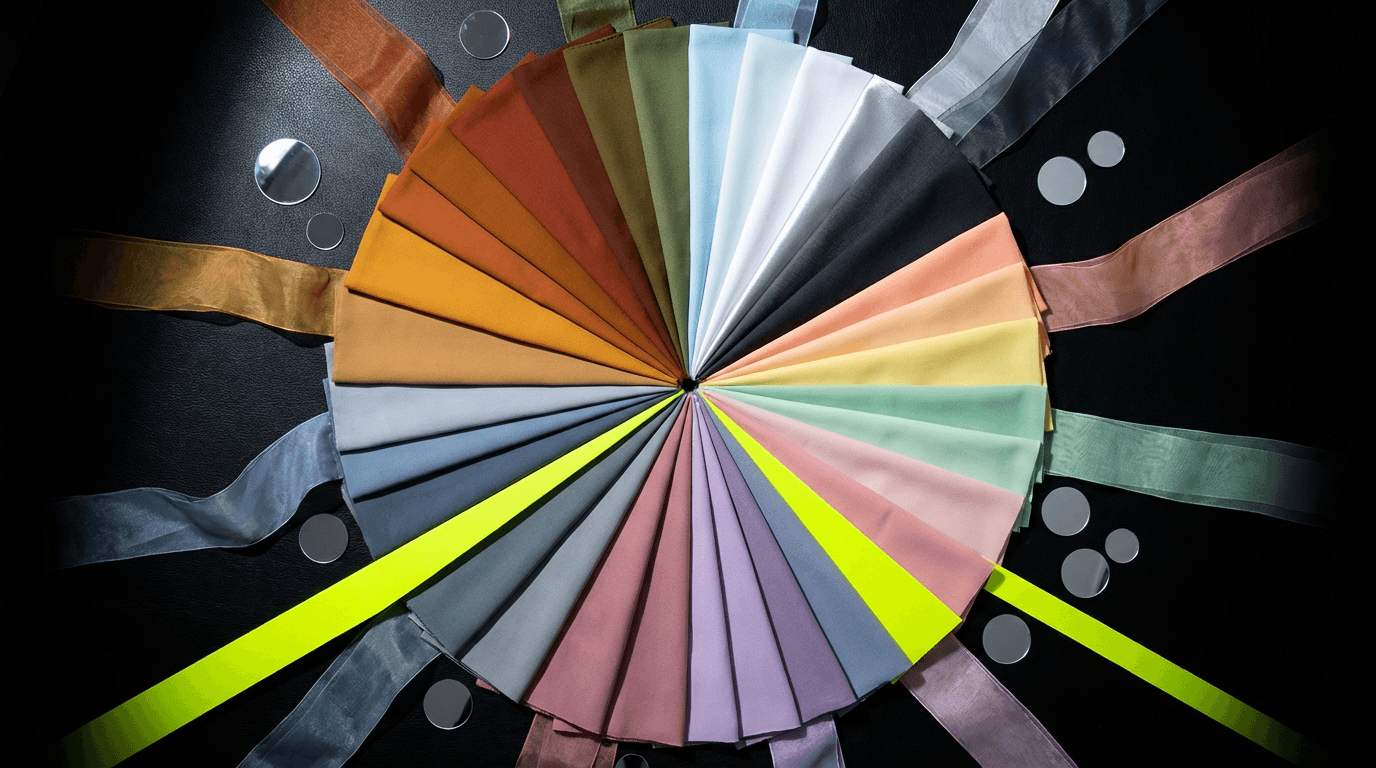
Have you ever bought a top that looked stunning on the hanger, only to feel somehow "off" the moment you put it on? The color wasn't the problem — the mismatch with your natural coloring was. That's exactly what seasonal color analysis was designed to solve. By identifying which color families harmonize with your skin tone, eye color, and hair, you can build a wardrobe where everything you own genuinely flatters you — and stop wasting money on colors that quietly drain your energy.
Originally developed in the 1980s by color consultant Carole Jackson in her book Color Me Beautiful, the four-season model has since evolved into a more nuanced 12-season color palette system that accounts for the full spectrum of human coloring. Whether you're a soft, warm Autumn or a bright, cool Summer, understanding your season is one of the most powerful — and underused — tools in personal style. This guide breaks down every season, helps you identify your own, and shows you how to bring that knowledge directly into the way you shop and get dressed every day.
What Is Seasonal Color Analysis?
Seasonal color analysis is a method of categorizing people into color "seasons" based on three core characteristics of their natural coloring: undertone (warm or cool), value (light or dark), and chroma (muted or bright). The theory is rooted in color science — specifically the idea that certain colors in nature create harmony when placed together, just as the hues of each season form a cohesive palette. When your clothing colors align with your natural palette, your skin looks clearer, your eyes appear more vivid, and your overall appearance feels more polished and intentional.
The system works because human skin, hair, and eyes contain pigments that fall along these same warm-cool and light-dark axes. A person with golden undertones and rich brown hair naturally reflects warm, earthy light — and wearing colors from that same warm family amplifies that harmony. Wearing the wrong colors doesn't make you look "bad," but the right ones can be transformative in a way that feels almost effortless.
The Original Four Seasons Explained
The classic four-season model sorts people into Spring, Summer, Autumn, and Winter based primarily on their undertone and contrast level. Each season corresponds to a distinct mood in nature and a distinct set of flattering colors.
- Spring — Warm undertones with light-to-medium coloring and a clear, bright quality. Think fresh, golden, peachy hues.
- Summer — Cool undertones with light-to-medium coloring and a soft, muted quality. Think dusty roses, powder blues, and lavender.
- Autumn — Warm undertones with medium-to-deep coloring and a muted, earthy quality. Think olive, burnt orange, and mustard.
- Winter — Cool undertones with medium-to-deep coloring and a high-contrast, vivid quality. Think true white, navy, and jewel tones.
These four categories work well as a starting point, but many people find they sit somewhere between two seasons or have a combination of traits that don't fit neatly into just one. That's where the expanded 12-season system becomes invaluable.
The 12-Season System: A Deeper Breakdown
The 12-season model divides each of the original four seasons into three sub-seasons based on which characteristic is most dominant — whether it's the undertone, the value, or the chroma that defines a person's coloring most strongly. This creates a much more precise and personalized result.
The Spring Sub-Seasons
- True (Pure) Spring — The most archetypal warm, clear, and medium-contrast Spring. Flattering colors include coral, golden yellow, warm ivory, and bright teal.
- Light Spring — The lightest Spring, with delicate, peachy-blonde coloring. Best colors are soft peach, warm beige, mint, and light aqua.
- Bright Spring — The most vivid Spring, sharing contrast traits with Winter. Best colors are true red, electric turquoise, bright coral, and warm white.
The Summer Sub-Seasons
- True (Pure) Summer — Classic cool, soft, and medium-contrast coloring. Flattering colors include rose-taupe, dusty rose, powder blue, and soft plum.
- Light Summer — The lightest Summer, with ash-blonde or light cool coloring. Best colors include pale lavender, soft sky blue, blush, and cool mint.
- Soft Summer — The most muted Summer, blending into Soft Autumn territory. Best colors include mauve, sage green, dusty blue, and warm grey.
The Autumn Sub-Seasons
- True (Pure) Autumn — The classic warm, muted, and medium-to-deep Autumn. Think terracotta, olive, bronze, and warm brown.
- Soft Autumn — The most muted Autumn, bridging Summer and Autumn. Best colors are dusty rose-beige, muted teal, warm taupe, and soft gold.
- Dark Autumn — The deepest, richest Autumn. Best colors include deep burgundy, forest green, chocolate brown, and dark mustard.
The Winter Sub-Seasons
- True (Pure) Winter — The classic high-contrast cool Winter. Best colors are true red, royal blue, pure white, and stark black.
- Bright Winter — The most vivid Winter, overlapping with Bright Spring. Best colors include electric blue, hot pink, bright emerald, and icy white.
- Dark Winter — The deepest Winter, sharing depth with Dark Autumn. Best colors are deep plum, burgundy, navy, and rich charcoal.
How to Find Your Season: A Step-by-Step Guide
Finding your season takes a little observation and, ideally, some fabric draping — but you can get surprisingly far with just a few key tests at home.
Determine your undertone. Look at the veins on your inner wrist in natural daylight. Blue or purple veins suggest cool undertones; green or olive veins indicate warm undertones; a mix of both points to neutral. You can also hold a piece of pure white fabric next to your face and then a piece of warm ivory — the one that makes your skin look more even and luminous is a clue to your undertone.
Assess your contrast level. Stand in front of a mirror and observe the difference in value (lightness vs. darkness) between your skin, hair, and eyes. High contrast — like very pale skin with very dark hair — points toward Winter. Low contrast — where everything blends softly — points toward Summer or Soft Autumn. Medium contrast is common in Spring and True Autumn types.
Evaluate your chroma (clarity vs. softness). Does your coloring have a clear, vivid quality, or does it feel more muted and blended? Bright, clear coloring belongs to Spring or Winter. Soft, smoky, or dusty coloring belongs to Summer or Autumn sub-seasons.
Do a fabric drape test. Gather fabric swatches (or use colored paper) in warm vs. cool tones, and then muted vs. vivid tones. Hold each against your bare face in natural light without makeup. The colors that make your skin look even, your eyes bright, and any shadows or redness disappear are your season's colors.
Narrow down to your sub-season. Once you've identified your dominant season, revisit the sub-season descriptions above. Ask: is my primary defining quality my warmth or coolness (True season), my lightness or depth (Light or Dark season), or my brightness or mutedness (Bright or Soft season)?
Colors to Wear and Avoid for Each Season
Knowing your season gives you a powerful editing tool for your wardrobe. Instead of buying whatever happens to be trending, you can filter everything through your personal palette. Here's a quick reference guide to help you shop with intention:
Springs should lean into warm, clear, and golden tones — corals, peaches, warm greens, and golden neutrals. Avoid icy, blue-based cool tones and heavy, dark shades that overpower your brightness.
Summers thrive in cool, soft, and dusty shades — rose-beige, lavender, powder blue, and cool grey. Avoid orange-based warm tones and anything too vivid or high-contrast, which can make Summer coloring appear harsh.
Autumns look richest in warm, earthy, and muted palettes — terracotta, olive, camel, and deep teal. Avoid cool, icy shades and anything overly bright or fluorescent, which will clash with the natural warmth of Autumn coloring.
Winters can carry bold, vivid, and high-contrast colors with ease — pure white, true black, jewel tones, and primary colors. Avoid dusty, muted, or overly warm tones, which can make Winter's natural contrast appear muddy or washed out.
Applying Your Color Palette to Everyday Fashion
Understanding your palette is one thing — translating it into daily outfit decisions is another. The practical goal is to shop more deliberately, dress more confidently, and ultimately spend less on items that end up unworn. Start by auditing your existing wardrobe through the lens of your new season. Group the pieces that clearly fall within your palette, and notice patterns in what you reach for most often. Chances are, your instincts have already been guiding you toward your season — you just didn't have the vocabulary for it yet.
When building new outfits, prioritize your season's colors in high-visibility areas closest to your face — tops, scarves, and necklines matter most. Neutral and base colors (trousers, skirts, outerwear) have more flexibility, but even these look best when they lean toward your season's neutral family. A Dark Winter, for example, will find charcoal and true navy far more flattering than camel or warm brown as their go-to neutrals.
Seasonal color analysis also pairs beautifully with trend-informed dressing. For example, if your Trend Feed is showing that terracotta and burnt sienna are dominating street style right now, a True Autumn can lean in fully — while a Light Summer might look for that same earthy trend interpreted in a cooler, dustier rose-brown that works within their palette. Knowing your season doesn't limit you to trend; it just helps you participate in it in a way that's uniquely yours.
Try On Your Palette Before You Buy
One of the biggest frustrations in color analysis is the gap between knowing your palette and actually seeing how specific clothes in those colors will look on your body before buying. That uncertainty — "Does this dusty rose blouse actually flatter me?" — is exactly what virtual try-on technology is built to answer. With Alvin's Club's AI-powered platform, you can virtually try on outfits using your own photo, so you can test whether a color truly works on you before you commit.
The platform also makes it easy to explore how celebrities within your color season style themselves. If you're a Bright Winter and you notice that Zendaya — known for her high-contrast, jewel-toned dressing — resonates with you aesthetically, you can use the celebrity try-on feature to see how her exact looks translate onto your own body. From there, Alvin's Club automatically surfaces affordable dupes and smart alternatives to the high-end pieces in those looks — so you get the palette-perfect outfit without the luxury price tag.
For daily dressing, the Outfit Journal and wardrobe inspiration feature takes your seasonal palette even further by generating personalized OOTD suggestions tailored to your colors, the current season, and what's already in your virtual closet. It's the practical bridge between color theory and a real, wearable wardrobe.
Final Thoughts
Seasonal color analysis is one of those rare style tools that genuinely changes how you relate to getting dressed. Once you understand your 12-season palette, every shopping trip becomes more focused, every outfit feels more intentional, and that nagging sense of "something's off" starts to disappear. Whether you discover you're a sun-drenched True Spring, a cool and ethereal Light Summer, a moody Dark Autumn, or a bold Bright Winter, your season is a framework for dressing with confidence rather than a set of rigid rules.
The real magic happens when that self-knowledge meets smart technology. Knowing your palette is step one — seeing it on your actual body, styled in real outfits, at every price point, is where theory becomes a wardrobe you genuinely love.
Ready to Dress in Your Colors?
Stop guessing and start seeing. Upload your photo, try on palette-perfect outfits, and find affordable alternatives to the looks you love — all in one place.
Discover Your Style at Alvin's Club