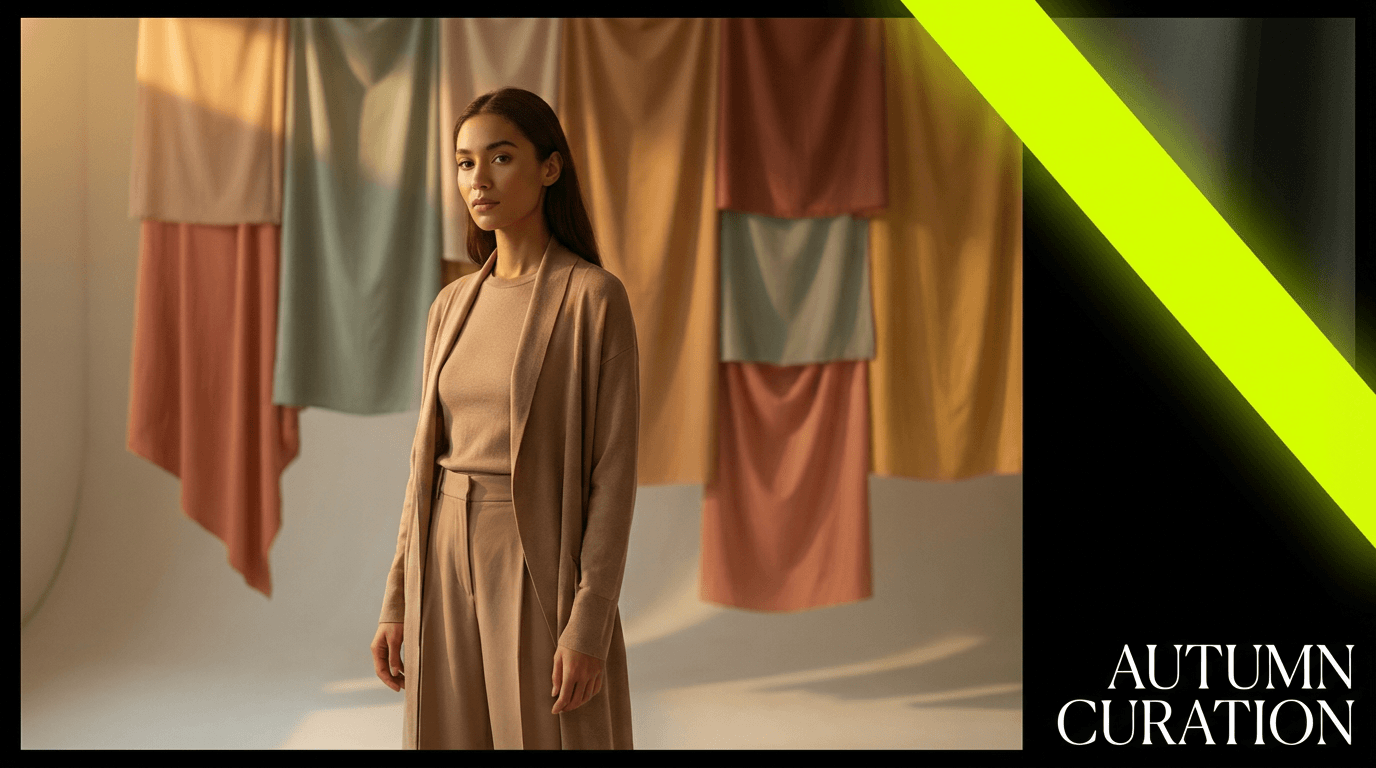
If you've ever noticed that earthy terracottas and dusty mauves seem to make your complexion glow while stark black or bright white wash you out entirely, there's a good chance you belong to one of the most elegantly understated color seasons: Soft Autumn. Part of the 12-season color analysis system, the Soft Autumn palette is a beautifully blended spectrum of warm, muted tones — think a hazy autumn afternoon filtered through golden leaves. Understanding your season isn't just a fun style exercise; it's a practical shortcut to building a wardrobe where almost everything you own works together and flatters you instinctively.
This guide walks you through everything you need to know about the Soft Autumn color season: the defining palette, how to recognize if this season is yours, the best outfit formulas to lean into, and smart styling tips for makeup, accessories, and everyday shopping. Whether you're new to color analysis or refining an existing understanding, you'll leave with actionable insight you can apply immediately.
What Is the Soft Autumn Color Season?
The Soft Autumn sits at the intersection of the Soft (or Muted) and Autumn families within the 12-season color analysis framework. It shares its muted, low-saturation quality with the neighboring Soft Summer season, but leans warmer — grounded in the golden, amber-kissed undertones that define all Autumn types. The result is a palette that feels hushed, harmonious, and deeply natural rather than vivid or high-contrast.
Where a True Autumn has rich, deep warmth and a Warm Autumn leans strongly golden, the Soft Autumn is defined primarily by softness and mutedness. Colors are neither too warm nor too cool, never too bright or too dark — they are gently blended, as if dusted with a subtle haze. This is the season of antique rose, warm taupe, sage green, soft caramel, and dusty teal. It is an incredibly wearable, sophisticated palette that rewards those who learn how to build with it.
Physical Characteristics of a Soft Autumn
Color seasons are rooted in the natural coloring you were born with — the combination of your skin undertone, hair color, and eye color. Soft Autumns tend to share certain traits that make this season a natural fit:
- Skin: Neutral-to-warm undertones; often described as ivory, beige, peachy, or light-to-medium olive. The skin may have a subtle golden cast but rarely looks pink or rosy.
- Hair: Typically medium brown, ash brown, golden brown, dirty blonde, or light auburn — colors that are neither strongly golden nor strongly cool-ashy. Hair often looks sun-kissed or blended rather than vivid.
- Eyes: Hazel, soft green, grey-green, warm grey, or light-to-medium brown. Eye color tends to be blended and complex rather than a single clear hue.
- Overall contrast: Low to medium. There isn't a dramatic difference between the hair, skin, and eye tones — everything flows softly together.
A helpful way to confirm your season is to hold a piece of bright white fabric next to your face in natural light, then swap it for an off-white or warm cream. If the cream makes you look healthier and more rested, and the bright white makes you look washed out or tired, that's a strong signal you have warm-muted coloring consistent with Soft Autumn.
The Soft Autumn Color Palette Explained
The Soft Autumn palette is anchored by colors that are warm in undertone, medium in value (neither very light nor very dark), and consistently muted or dusty in saturation. Think of the palette as nature's own neutral — the colors of dried botanicals, weathered wood, a foggy meadow in October.
Core Neutrals
These are the backbone of a Soft Autumn wardrobe and work as the basis for almost any outfit formula:
- Warm taupe and greige — the perfect alternative to harsh grey or stark black
- Camel and soft caramel — richer than beige, warmer than tan
- Warm ivory and off-white — never cool white or pure white
- Soft chocolate brown — grounded and earthy without being too deep
- Muted olive and khaki — golden-green neutrals that pair beautifully with skin-toned shades
Accent Colors
These colors add personality and visual interest while staying within the muted, warm range that flatters Soft Autumn coloring:
- Dusty rose and antique mauve — warm pinks with a grey-beige blend
- Terracotta and soft rust — earthy reds that glow rather than shout
- Sage and moss green — muted greens with a warm, golden base
- Warm teal and dusty aqua — cooler shades brought into range by their warmth and softness
- Soft gold and bronze — warm metallics that act almost as neutrals
- Dusty periwinkle and slate blue — the cooler edge of the Soft Autumn range, grounded by muting
Notice that the Soft Autumn palette is genuinely diverse — it spans the full color wheel, always filtered through that warm-muted lens. You're not limited to browns and oranges. The secret is that every color in the palette shares the same underlying quality: softly blended, gently warm, and never overpowering.
Colors to Avoid as a Soft Autumn
Understanding which colors to sidestep is just as valuable as knowing your best shades. For Soft Autumns, the goal is to avoid anything that creates too much contrast or brings too much intensity next to the face. The most common culprits include:
- Pure black — too stark and high-contrast; try deep chocolate brown instead
- Bright white and stark cool white — replace with warm ivory or cream
- Neon or highly saturated colors — anything fluorescent or jewel-bright will overpower soft coloring
- Cool, icy pastels — lavender, baby blue, and mint can look washed out on warm-muted skin
- Vivid red — opt for terracotta, brick, or dusty burgundy instead
- Very dark navy — if you love navy, reach for a softer, warmer slate or dusty blue
The rule of thumb: if a color feels like it's wearing you rather than the other way around, it's probably too saturated or too contrasting for your natural coloring. Your palette should feel like a natural extension of yourself — effortless and harmonious.
Soft Autumn Outfit Ideas and Style Formulas
One of the great joys of knowing your color season is that building outfits becomes much more intuitive. For Soft Autumns, a few reliable formulas take almost all the guesswork out of getting dressed. And if you struggle with wardrobe paralysis — that frustrating feeling of having a full closet but nothing to wear — using personalized daily outfit inspiration tailored to your palette and the current season can be a genuine game-changer.
The Tonal Layering Look
This is arguably the most flattering formula for Soft Autumns: layering different shades within the same warm-neutral family to create a sophisticated, cohesive effect. Think a camel knit sweater over a warm ivory blouse with soft taupe wide-leg trousers. The tones stay close together, creating a blended, elegant silhouette that works beautifully with soft, blended coloring. Add a warm bronze belt or soft gold earrings to anchor the look.
The Earthy Contrast Outfit
When you want a bit more visual interest, pair a muted neutral base with one earthy accent color. Try warm taupe linen wide-leg pants with a dusty terracotta blouse and flat camel sandals. Or a soft chocolate midi skirt with a sage green knit top and warm gold jewelry. The key is keeping both colors soft and warm — the contrast comes from the color shift, not from saturation.
The Autumn Pop Look
For days when you want to lean into color, build on a neutral base and add one deliberate accent. A warm greige midi dress becomes instantly striking with a dusty rose blazer or a pair of warm teal statement earrings. Because the base is so quiet, the accent reads as intentional and polished rather than overwhelming.
The Monochrome Sage or Rust Moment
Full monochrome in a Soft Autumn shade is effortlessly chic. A dusty sage trench coat over a sage turtleneck and olive-toned wide-leg trousers creates the kind of head-to-toe look that gets noticed. Similarly, a rust knit paired with terracotta trousers and warm brown ankle boots is an autumn-season staple that looks completely intentional and deeply flattering on this type.
Not sure how any of these looks would work on your actual body? Alvin's Club lets you virtually try on complete outfits using your own photo — so you can see in real time how that caramel coat or dusty teal blouse actually looks on you before you commit to buying anything.
Accessories and Makeup Tips for Soft Autumns
Your clothing palette and your beauty choices work together to create a harmonious overall image — and for Soft Autumns, cohesion is everything.
Jewelry and Accessories
Gold is your metal. Specifically, warm golds, soft bronzes, antique brass, and rose gold all sit beautifully within the Soft Autumn range. Avoid bright silver or white gold near the face, as the cool, high-shine finish can clash with your warm-muted coloring. For bags and shoes, caramel, warm tan, cognac, and soft chocolate leather tones are your most versatile investments. A caramel leather bag works with virtually every outfit in your wardrobe. Scarves in dusty rose, sage, or soft terracotta patterns add dimension without disrupting the quiet harmony of your looks.
Makeup Palette
Soft Autumn makeup is about warmth and blending rather than drama and precision. For foundation, look for warm or neutral-warm undertones — peachy, beige, or golden-beige. Avoid anything with a pink or grey cast. For blush, dusty peach, soft terracotta, and warm apricot are infinitely more flattering than cool-toned berry or icy pink. Eye shadows in warm taupe, soft brown, muted moss, and antique gold make your eyes look complex and interesting without competing with your coloring. For lips, think warm nudes, soft dusty rose, antique mauve, and muted brick red. A true cool-toned fuchsia or a stark blue-red will feel jarring — save those for experimenting, but rely on warm-muted tones for your most effortlessly flattering everyday looks.
How to Shop Your Soft Autumn Palette with Confidence
Knowing your color season is tremendously helpful in theory, but applying it while actually shopping — scrolling through pages of products, comparing shades on a screen, or wondering if that "dusty teal" top will actually look dusty teal in person — is where most people hit a wall. A few strategies make a significant difference.
First, anchor your wardrobe with neutrals before adding accent colors. If you invest in warm taupe, camel, and soft chocolate brown as your foundation pieces (trousers, coats, knitwear), almost any Soft Autumn accent color you add will automatically work with everything else. Second, shop in natural daylight when possible — artificial store lighting can make colors look more vibrant or more muted than they actually are, which makes accurate color matching harder.
Third, use technology to your advantage. With Alvin's Club, you can explore curated Brand Looks from major retailers and try pieces on virtually using your own photo before purchasing — so you're not guessing whether that dusty mauve blouse will actually flatter your specific complexion. And if you fall in love with a look but the price tag doesn't love you back, the app's image recognition technology automatically surfaces smart, affordable dupes from accessible brands — so you can get the Soft Autumn aesthetic without the designer price point. It's the kind of practical, personalized support that makes color analysis feel actionable rather than theoretical.
Finally, don't underestimate the power of staying current with how your palette intersects with seasonal trends. Following a real-time street style and trend feed helps you spot when the fashion moment is perfectly aligned with your colors — like when dusty terracotta or sage green has a major moment on the runway — so you can shop intentionally rather than reactively.
Embrace Your Soft Autumn Colors
The Soft Autumn color season is one of the most elegant, versatile, and genuinely wearable of all the color types — but it only works its magic when you lean into it fully rather than diluting it with colors that fight against your natural coloring. The moment you start building around warm taupe, camel, dusty rose, sage, and terracotta, and stepping away from stark black, pure white, and vivid brights, the difference in how your complexion looks is immediate and striking.
Your palette isn't a limitation. It's a creative framework — one that makes every shopping decision cleaner, every outfit easier to assemble, and every morning in front of the mirror a little more confident. Take the knowledge in this guide, put it into practice, and use every tool available to you to make the process enjoyable rather than overwhelming. Your best colors are already waiting for you.
See Your Soft Autumn Style on You — Before You Buy
Stop guessing whether that caramel coat or dusty sage blouse will actually flatter your coloring. Alvin's Club lets you virtually try on complete outfits using your own photo, find affordable dupes for high-end looks, and get personalized daily outfit inspiration tailored to your color season.
Download the App and Try It NowOr explore more at alvinclub.ai