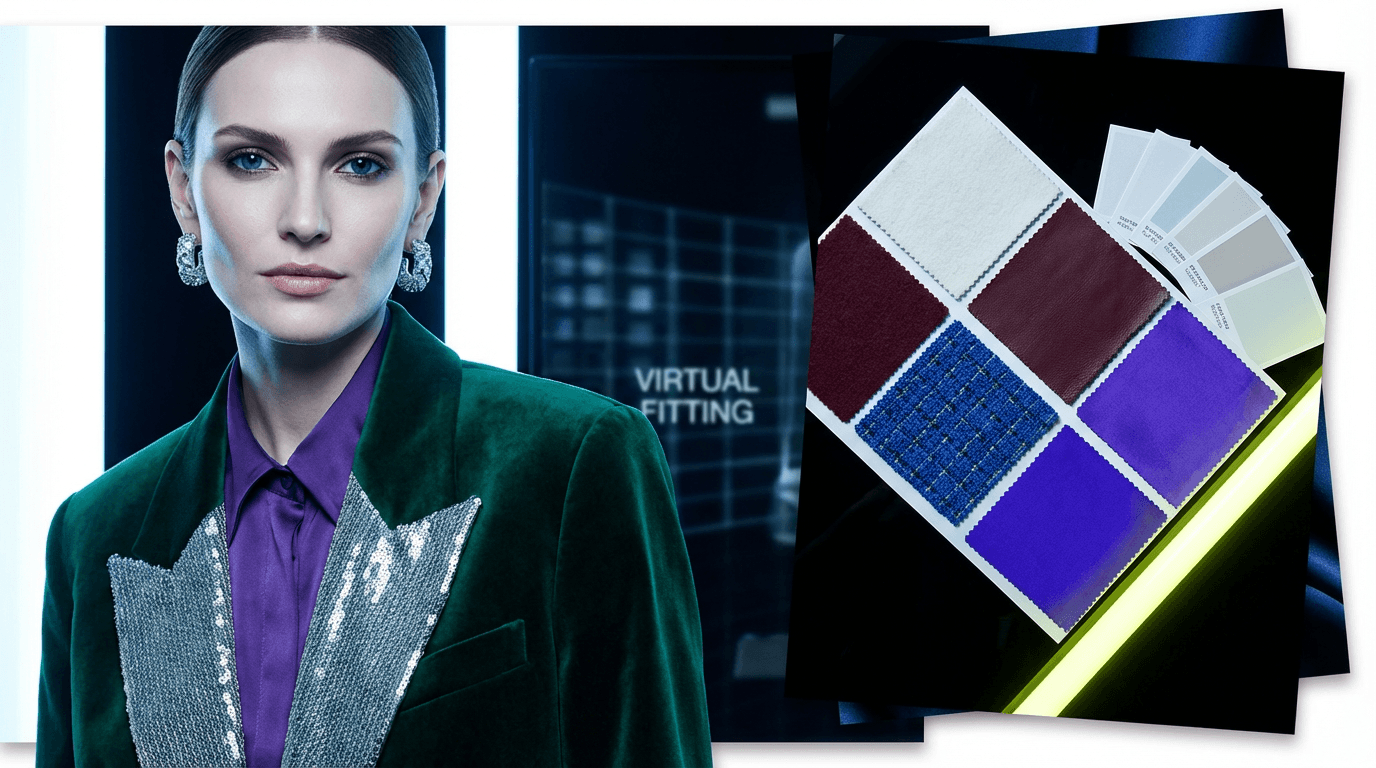
There is something undeniably magnetic about a winter wardrobe done right. The season practically hands you permission to go bolder, deeper, and more dramatic with color — and yet so many people default to the same grey coat and black sweater combination, season after season. The winter color palette is actually one of the richest in fashion, spanning everything from deep jewel tones and saturated primary hues to razor-sharp icy neutrals and the timeless contrast of pure black against crisp white.
Whether you're dressing for your personal seasonal color type (as defined by color analysis theory) or simply curating a wardrobe that feels intentional and polished during the colder months, understanding winter colors gives you a genuine edge. In this guide, you'll learn exactly which colors define the winter palette, how to wear them effectively on your specific skin tone, how to take cues from celebrity style icons, and how to build a cohesive cold-weather wardrobe without spending a fortune. Let's get into it.
What Is a Winter Color Palette?
The concept of a winter color palette originates from seasonal color analysis, a system developed in the 1980s based on the idea that certain colors harmonize with a person's natural coloring — their skin undertone, eye color, and hair. The Winter type is characterized by high contrast: think deep, dark hair against fair or very dark skin, with cool or neutral undertones. But beyond personal color theory, the winter palette has become a broader cultural shorthand in fashion for the specific category of colors that simply look and feel right when the temperature drops.
As a style concept, the winter color palette leans cool, saturated, and high-contrast. It avoids warm, earthy tones (those belong to autumn) and muted, hazy shades (the domain of summer). Winter colors are vivid where they need to be vivid and icy where they need to be icy — there is a clarity and precision to them that mirrors the season itself. Understanding this helps you make smarter choices when you're shopping, styling outfits, or trying to build a wardrobe with real cohesion.
The Core Winter Colors You Need to Know
The winter palette is broader than most people realize. It is not just black and navy — it encompasses a full spectrum of shades that share a cool, clear, or deeply saturated quality. Here is a breakdown of the color families that define this palette:
- Deep jewel tones: Emerald green, sapphire blue, amethyst purple, ruby red, and deep teal
- Icy cool shades: Ice blue, lavender frost, silver, pale pink with blue undertones, and cool white
- True neutrals: Pure black, bright white, charcoal grey, and navy
- Bold primaries: True red (blue-based), cobalt blue, and royal purple
- High-contrast accents: Hot pink, magenta, electric blue, and fuchsia
What unites all of these is their undertone. Winter colors are either definitively cool (with blue or blue-violet bases) or so deeply saturated that they transcend undertone entirely. You won't find mustard, terracotta, or warm olive in this palette — those shades belong to warmer seasons and undertone profiles.
Jewel Tones: The Statement Shades of Winter
If there is one category of color that defines winter dressing at its most glamorous, it is jewel tones. Emerald green reads as simultaneously luxurious and grounded, making it ideal for everything from tailored blazers to silk slip dresses. Sapphire blue is arguably the most universally flattering shade in the entire winter palette — it works across skin tones and occasions with effortless ease. Amethyst purple has had a major fashion moment in recent seasons, moving from niche to mainstream across runways at Valentino, Versace, and Bottega Veneta.
The key to wearing jewel tones well is to let them breathe. Avoid over-layering multiple saturated colors in a single outfit unless you have a strong eye for color blocking. Instead, ground a jewel-tone piece against a crisp white, deep black, or cool grey base. A cobalt blue wool coat over a black turtleneck and dark denim is a masterclass in winter dressing — bold but completely wearable. Ruby red deserves special mention: it reads as festive during the holiday season but remains sophisticated year-round when styled in clean, minimal silhouettes.
Icy Neutrals: Cool, Crisp, and Endlessly Versatile
Icy neutrals are the quieter but equally important side of the winter palette. These are the colors that give the bolder shades room to shine — and they are far more interesting than standard beige or cream. Ice blue (think the pale, almost white blue of a clear winter sky) is a sophisticated alternative to white that works beautifully in knitwear, outerwear, and tailoring. Lavender frost has emerged as a recurring trend on street style feeds, offering a cool-toned softness that feels both modern and romantic.
Silver is one of the most underused shades in everyday dressing, despite its remarkable versatility. In winter, a silver-toned piece — whether a metallic knit, a satin skirt, or even silver-toned accessories — instantly elevates an outfit without requiring any additional effort. Pale pink with blue or grey undertones (as opposed to warm peachy-pink) also belongs in this category, sitting beautifully alongside navy and charcoal in a way that warm pinks simply cannot. These icy neutrals are the secret weapon of a well-built winter wardrobe.
Classic Black and White: The Winter Power Duo
No winter color guide would be complete without addressing the palette's most iconic pairing. Pure black and bright white are quintessential winter shades — not because they are safe defaults, but because their high-contrast combination carries a visual punch that is inherently suited to the season. This is the palette of classic winter fashion photography, of Chanel's most iconic campaigns, and of the kind of effortlessly chic styling that never ages.
The distinction worth noting here is between warm white (cream, off-white, ivory) and cool white (bright, blue-toned, pure). Winter calls for the latter. Similarly, charcoal grey and deep navy serve as more wearable alternatives to pure black in casual contexts while retaining that same cool-toned authority. Building your winter wardrobe around a black and white foundation, then layering in jewel tones and icy accents, is one of the most reliable strategies in fashion — and it works regardless of your budget or personal style direction.
How to Wear Winter Colors Without Looking Washed Out
One of the most common concerns people have about wearing bold winter colors is the fear of being overwhelmed by them — particularly for those with lighter or more neutral coloring. The solution lies almost entirely in contrast and proportion. When you wear a deeply saturated color like emerald or cobalt, the outfit needs a clear focal point, and the rest of the look should support rather than compete with it. Keep the silhouette clean and the accessories minimal.
For those whose natural coloring is lighter or warmer, the icy neutrals section of the winter palette tends to be more accessible than the deepest jewel tones. Ice blue, lavender, silver, and cool pink all carry the winter aesthetic without the visual weight of a full emerald suit. Another effective technique is to use a bold winter color as an accent rather than a base — a sapphire blue bag against an all-black outfit, for instance, delivers the palette's impact without requiring full commitment. Staying updated on how trends are being styled in real time can also be enormously helpful here; checking a trend feed of global street style gives you a practical sense of how real people are wearing these colors across different body types and skin tones right now.
Celebrity Winter Color Inspiration
Some of the most compelling winter color moments in recent years have come directly from celebrity style. Zendaya has become one of fashion's most reliable references for high-contrast winter dressing, frequently pairing saturated jewel tones with precise tailoring in ways that feel both fashion-forward and genuinely wearable. Her appearances in cobalt, ruby, and amethyst have consistently dominated trend conversations. Dua Lipa gravitates toward bold primary colors and high-voltage pinks in winter, demonstrating that the season doesn't require somberness — it can be full of energy and personality.
Timothée Chalamet has redefined menswear's relationship with the winter palette, embracing deep jewel tones, cool lavenders, and sharp black-and-white combinations at red carpet events that have had significant influence on mainstream fashion. The exciting part is that you don't have to just admire these looks from a distance. With Alvin's Club's celebrity try-on feature, you can upload your own photo and virtually see how Zendaya's exact emerald coat look or Dua Lipa's cobalt outfit would actually appear on your body — before you buy a single piece. It transforms celebrity inspiration from something aspirational into something genuinely actionable.
Building a Winter Wardrobe Around Your Color Palette
The most effective winter wardrobes are built on a clear color logic rather than a series of unconnected purchases. Start by identifying your base: pure black, deep navy, or charcoal grey will anchor everything else. From there, choose one or two jewel tones that resonate with you personally — these become your statement pieces (coats, blazers, key knitwear). Then add one or two icy neutral accents to provide contrast and lightness. The result is a wardrobe where everything works together and getting dressed becomes intuitive rather than stressful.
One of the most persistent problems people face is having a full closet and still feeling like there's nothing to wear. This is where personalized outfit inspiration tailored to your existing wardrobe makes a real difference — seeing your actual pieces styled in new combinations for the season removes the guesswork entirely. Whether you're heading to a holiday party, navigating a cold commute, or pulling together a weekend look, having daily OOTD suggestions built around the winter palette and your specific closet is a practical game-changer. The goal is to wear your colors intentionally, not accidentally.
Getting the Look: Affordable Alternatives to Designer Winter Pieces
The winter runway is full of extraordinary color — but a Bottega Veneta emerald intrecciato coat or a Valentino purple ensemble comes with a price tag that is out of reach for most people. The good news is that the winter color palette is one of the easiest to shop affordably, because color itself does much of the heavy lifting. A well-cut sapphire blue wool coat from a high-street brand reads as luxurious in a way that a poorly cut designer coat in a muddy non-color simply does not. Color is free. Use it.
Fast-fashion retailers like Zara, H&M, and Mango consistently deliver strong winter color stories at accessible price points, and the silhouettes are often directly informed by the same runway trends. The challenge is knowing which specific pieces are worth buying. With Alvin's Club's Brand Look feature, you can browse curated looks from these retailers and virtually try them on to see how the colors and cuts actually work on your body before committing. And if you've fallen in love with a specific designer winter look but can't justify the cost, the platform's affordable dupe finder automatically surfaces smart alternatives that deliver the same aesthetic at a fraction of the price — so you can build a genuinely beautiful winter wardrobe without the financial anxiety.
Final Thoughts
The winter color palette is one of fashion's most exciting seasonal offerings — a spectrum that runs from the deepest emerald and sapphire through to the most delicate icy lavender, held together by the enduring power of pure black and crisp white. Understanding which colors belong to this palette, and more importantly how to wear them in a way that works for your specific coloring and lifestyle, is the difference between a wardrobe that feels random and one that feels genuinely considered.
The most important takeaway is this: winter dressing rewards boldness. The season's shorter days and dramatic light are actually ideal conditions for color — rich, saturated, cool-toned hues look extraordinary against winter backdrops in a way they simply don't in summer. Whether you start with a single cobalt blue piece or commit fully to a jewel-tone wardrobe overhaul, the winter color palette has the range to meet you wherever you are in your style journey.
Try Winter Colors on Your Own Terms
Wondering whether that emerald coat or icy blue knit will actually work on you? Alvin's Club lets you virtually try on winter looks — from celebrity outfits to curated brand pieces — using your own photo, so you can shop with real confidence instead of guesswork.
Download the App and Try It Free
Or explore everything Alvin's Club offers at alvinclub.ai